
Going Native Is Easier Than You Think

So you want to get started planting natives, but you don't know where to begin. I won't go into all the great personality traits you must possess moving you towards this decision, but let's just say, 'You got it going on!'
A great deal of current research highlights the benefits of planting more natives in the landscape. There is a renewed sense of urgency to create more natural plantings to reverse the decline of essential pollinator insects and other wildlife.
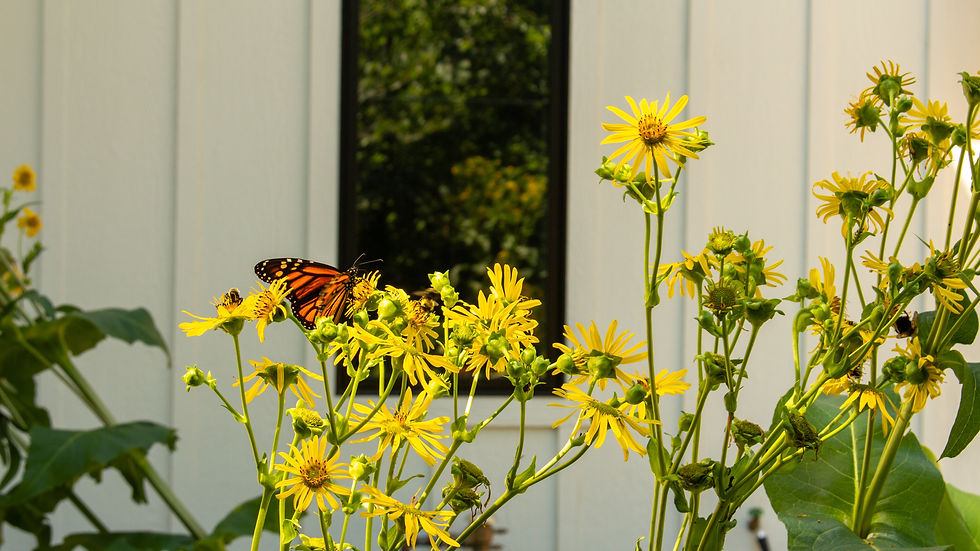
Cup Plant | Silphium perfoliatum
The good news for homeowners and property managers is that growing more native plants is relatively easy. In fact, it's easier than growing most non-native plants because they are already well-adapted to our local environmental conditions.
The Problem
In the most recent book by professor and scientist Doug W. Tallamy, "Nature's Best Hope," he argues that wildlife is in rapid decline because we continue to destroy natural ecosystems at an alarming pace, and that, unfortunately, our current conservation efforts are not working. He states that our conservation efforts are "confined to parks... too small and too separated from one another" to preserve species. He argues for turning our attention to the "ecological value of the land outside our preserves" to connect these "fragmented habitats" by "creating biological corridors" that link them for animals and plants and restore integrity to our landscapes. This vast expanse of land between our conservation areas is where we all live, work, and play, and, unfortunately, he argues, too much of it is covered by millions of acres of lawns.
The Solution
We need to reduce the size of our lawns and replant the area with native trees, shrubs, and perennials. Current thinking suggests that you don't have to go 100% native and give up many of the plants you love to sustain a productive landscape, but Tallamy suggests a goal of converting at least 70% of your property to native species and reducing our lawns by half.
Resistance Persists
Unfortunately, this is where resistance or feelings of being overwhelmed begin. We need to not only re-think our current cultural views of what a "cared-for landscape" looks like. Most of us have never learned to garden this way, and for many, more grass always seemed like the natural solution! Even if you don't have a landscape company tending your yard, most of us who grew up in suburbia know how to push a lawnmower around or throw grass seed down, making it pretty easy for us to conform to the "neighborhood standard" of a decent-looking property.
Transforming to a native landscape won't happen overnight. As a landscape and garden designer, I can tell you that reducing your lawn by half will mean filling it with many plants, costing a significant amount of money, and requiring physical work. I am a recent convert to the native movement and, through trial and error, have begun to understand better how to use natives in landscaping. That said, it is a different type of gardening. It looks drastically different from our current home landscapes, and while we all need to start planting more natives, I think we have to ease into it to make this movement successful.
Efforts Started Now will Sprout Long-Term Success
It's hard to explain how rewarding it is to garden this way. It's not just that maintaining your landscape becomes easier once your plants are established; I believe you'll love how the composition of these plants constantly changes. It's much more exciting than seeing the typical "frozen" perennial garden with the same plants doing the same thing in the same place year after year. Native gardens and their dominant species and colors are always changing, and your role as gardener becomes more of a guiding one vs. one of active intervention to keep everything "in place." You'll also be amazed by how much wildlife returns to your property - butterflies, birds, and insects. These natural pollinators will not only enhance your visual landscape but will also help our entire ecosystem thrive.
At Restoration Earth, we see this work as both practical and hopeful. A core part of our mission is education, helping people better understand their sites, the plants that belong there, and the role these landscapes play in supporting life. By reducing lawn and planting thoughtfully, we can begin to restore ecological function to the places we live and work. These small, intentional changes help reconnect fragmented habitats and support the insects, birds, and other wildlife that depend on them, contributing over time to a more resilient and living world.

Monarch on a Purple Coneflower I Echinacea purpurea


Comments