
How to Design a Garden?

Ep 1: First Steps to Design a Landscape & Creating a Site Plan
Designing a garden can be an incredibly rewarding process, but knowing where to start can often feel overwhelming. At Restoration Earth, we focus on transforming outdoor spaces into thriving, sustainable environments using native plants and thoughtful landscape design principles.
In this blog, we’ll dive into the first steps of garden design, focusing on creating and using a site plan as your foundation. This step is crucial for building a space that is both beautiful and functional.
Watch Our Video on Starting Your Garden Design
Before we get into the details, check out the video below. I originally recorded this walkthrough before the inception of Restoration Earth, during my time running a private landscape design firm. Now, looking back from 2026, I am sharing it here because the site serves as a perfect "living laboratory." The challenges addressed and the solutions implemented on this property are the exact same principles we advocate for today at our non-profit. It is a great way to learn how to evaluate a space, address challenges, and plan for success.
Why Start with a Site Plan?
A site plan is a bird’s-eye view of your property that helps you visualize the layout, identify key features, and plan for both current needs and future growth. Starting with a site plan allows you to:
Understand the constraints and opportunities of your space.
Identify problem areas, such as steep walkways, compacted soil, or Hell Strips.
Plan plant placement with precision, ensuring proper spacing and compatibility.
Avoid common pitfalls like planting too close to sidewalks or obstructing sight lines.
Whether you’re designing a sprawling backyard or a small urban garden, a site plan is the blueprint for your success.

The Challenges of Urban Gardening

In the video, I tackle a real-life project - a small urban property surrounded by roads and sidewalks. Challenges like these are common in urban landscapes and include:
Steep Walkways: Creating safe, accessible paths for homeowners and visitors.
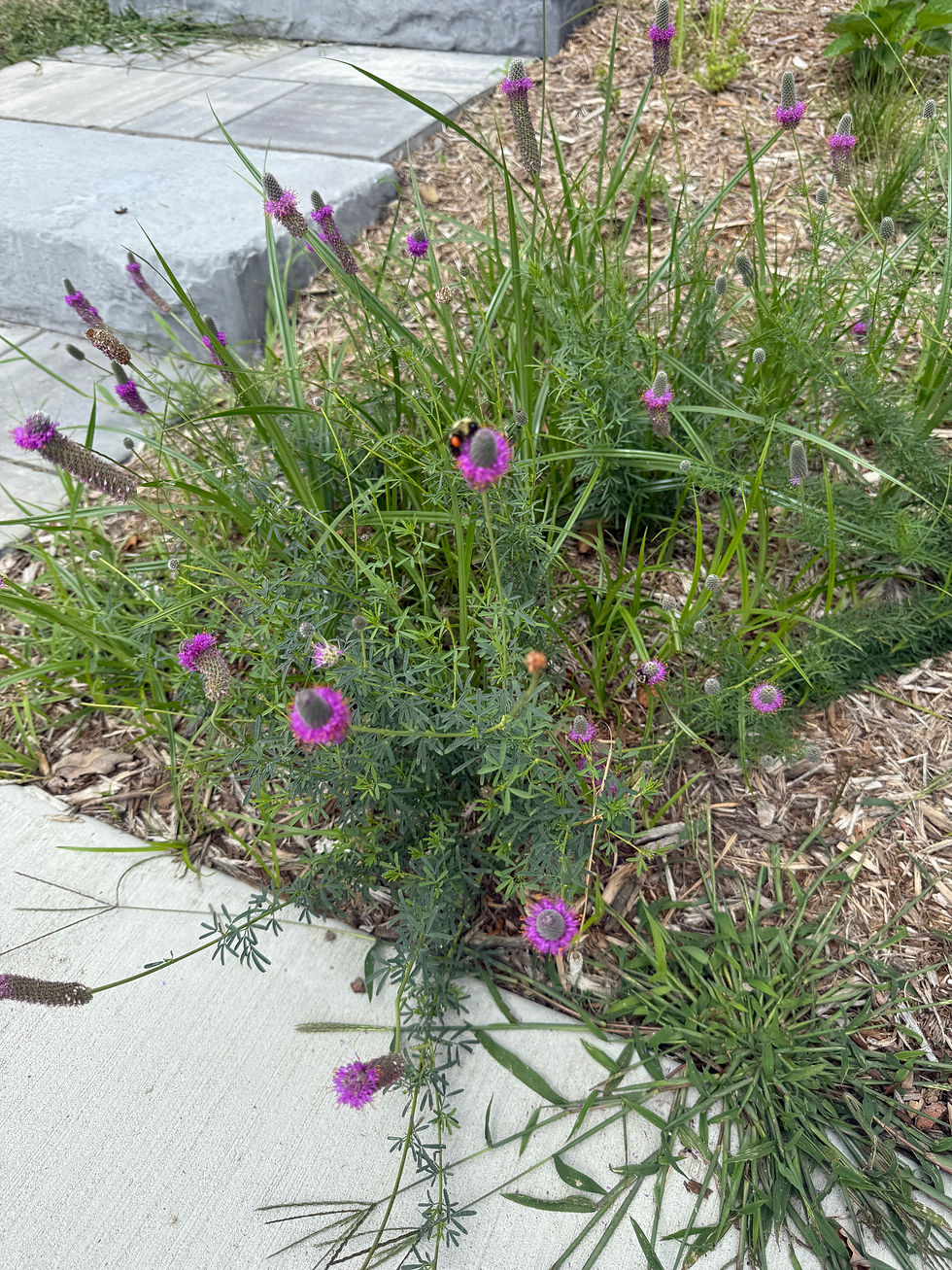
Hell Strips: These narrow, often neglected areas require hardy, salt-tolerant plants that can withstand compacted soil and harsh conditions.
Traffic Sight lines: Ensuring plants don’t block views or encroach on public spaces.
These obstacles might seem daunting, but with thoughtful design and the right plants, they can be turned into opportunities to showcase creativity and sustainability.
First Steps in Garden Design

1. Assess the Space - Begin by thoroughly evaluating your property. Take note of:
Sunlight and shade patterns.
Soil conditions (wet, dry, sandy, or compacted).
Existing features like trees, fences, and walkways.
2. Create Your Site Plan - Use tools like graph paper, CAD software, or RealTime Landscape Architect to map out the space. Include critical details such as:
Dimensions of the property.
Placement of existing structures.
Boundaries for planting areas.
3. Identify Key Zones - Divide your garden into zones based on function and conditions. For example:
Sunny, dry areas: Perfect for salt-tolerant native plants like Little Bluestem Grass.
Shady, wet areas: Ideal for moisture-loving plants that thrive in low-light conditions.
4. Address Problem Areas - Every garden has its challenges. Use the site plan to identify issues like poor soil or steep inclines and plan solutions, such as raised beds or retaining walls.
Selecting Plants for Your Garden
One of the highlights of our video is choosing plants that fit the space and its conditions.
Here are some tips:
For Hell Strips, focus on low-maintenance, sun-loving, and salt-tolerant plants.
Incorporate native species to promote biodiversity and reduce maintenance needs.
Use a mix of heights and textures to create a visually appealing, layered effect.
By starting with a detailed site plan, you’ll have a clear vision that ensures your plants thrive while meeting your design goals.
Your Next Steps
We hope you found these ideas helpful as you begin thinking about your own landscape. If you’d like to see the design process more fully, the complete “How to Design a Garden?” series from Lake Effect Garden & Design offers a deeper look.
At Restoration Earth, we’re here to help you create beautiful, sustainable spaces.
RESTORE. RENEW. REPLANT.

Comments